



2020 was an inflection point for the United States, and how we emerge from this pandemic is critical to rebuilding stronger and better than before.
On President Biden’s first day in office, he signed a memorandum tasking the federal government with reviewing regulations and producing recommendations that promote “public health and safety, economic growth, social welfare, racial justice, environmental stewardship, human dignity, equity, and the interests of future generations.” With this memo, the President signaled a commitment to making systemic changes that surfaced during the pandemic.At face value, this is a great idea. Reviewing regulations and making necessary changes is undoubtedly important. But, there’s one small problem: there are over 219,000 regulations in the CFR. And reading through these manually would take around three years, assuming you spent 40 hours per week reading as your full-time job.Now more than ever, agencies have extra work being asked of them with limited tools to accomplish their objectives. This is where modern technology can play a significant, helpful role. Esper’s mission is to support the important regulatory work of government agencies, and we’ve learned a thing or two about big regulatory review projects through our customers.
Here are our top recommendations for a streamlined, effective regulatory review:
1 – Understand your policy landscape
You can’t manage what you can’t measure. Agencies need an easy way to identify the breadth and depth of their regulation so they can divide responsibilities accordingly. For example, maybe you only want to look at regulations that haven’t been updated since the 1980s, or find regulations with a high number of paperwork or financial requirements. Normally, this would be a manual, time-laden project, but you can use established policy databases with advanced search capabilities to find areas of interest much faster.
2 – Leverage Natural Language Processing (NLP) and Artificial Intelligence (AI)
Last year the GSA awarded an “AI for Regulatory Modernization” contract, making it very easy for federal agencies to access advanced technology to support regulatory work. NLP can help shave down valuable time in the review process by helping you customize the regulatory information you’re looking for. This technology is flexible to your subject matter area, meaning you can use NLP to narrow in on only healthcare or environmentally sensitive regulations, for example.
3 – Organize internal responsibilities
Even after you leverage AI and data analytics to help you drill into the regulations of focus, you still need to manage the workload across the team. Adopting cloud-based regulatory workflow software helps you assign project owners, establish deadlines, and track progress on your regulatory review. Advanced regulatory software like Esper helps you track your review project and how it relates to others in your organization, helping reduce redundancy and ensure everyone is on the same page.
4 – Track progress on review goals
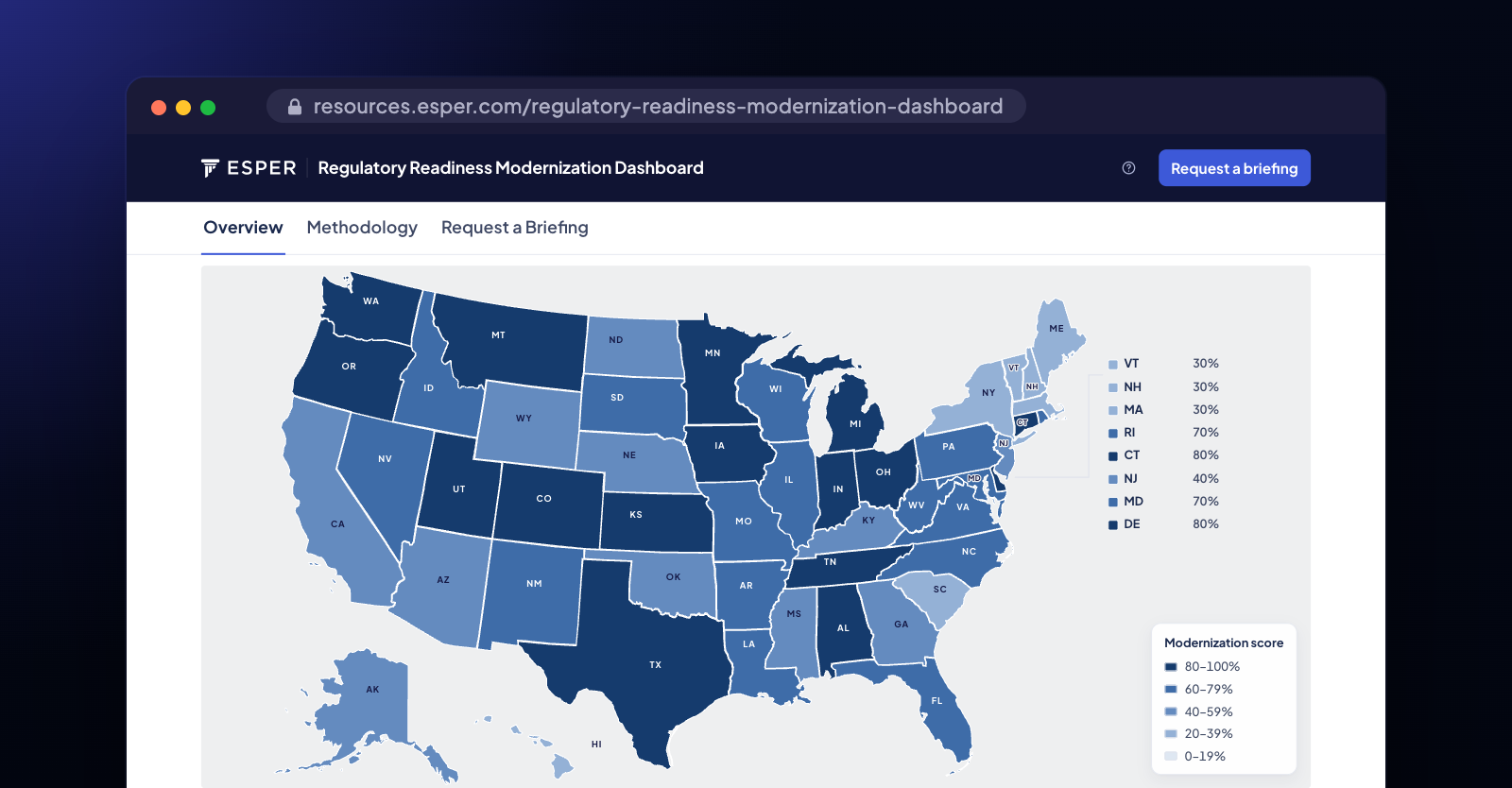
Once regulatory review goals are established, how do you internally syndicate updates, progress, and blockers? Hint: long email chains are not effective! Set up a dashboard that helps analyze how your regulatory review is going. Know when you’re on track and when you’re behind, and, importantly, reward wins by broadcasting them with technology! Esper’s regulatory code dashboard makes it easy to see how projects are moving internally and establishes a common source of truth for your organization.Regulatory review doesn’t have to be an impossible undertaking, and getting it right has enormous benefits both to our citizens and civil servants. If you like our ideas, we’d love to hear from you.


.png)

