



Alaska’s push for efficiency is real and the pressure on agencies is too.
Alaska’s administrative orders on government efficiency and regulatory reform have been in place for months now, and the impact is hitting every agency. The mandate is straightforward: coordinate better, move faster, document cleanly, and modernize how work gets done.
But here’s the reality on the ground:
- Rules still live in Word docs
- Approvals still sit in inboxes
- Policies are spread across drives
- Publishing is slow and manual
- Leadership has no real-time visibility
That isn’t modernization and it’s holding teams back.
Other states have already shown a different path.
Montana Faced the Same Mandate — and Fixed It
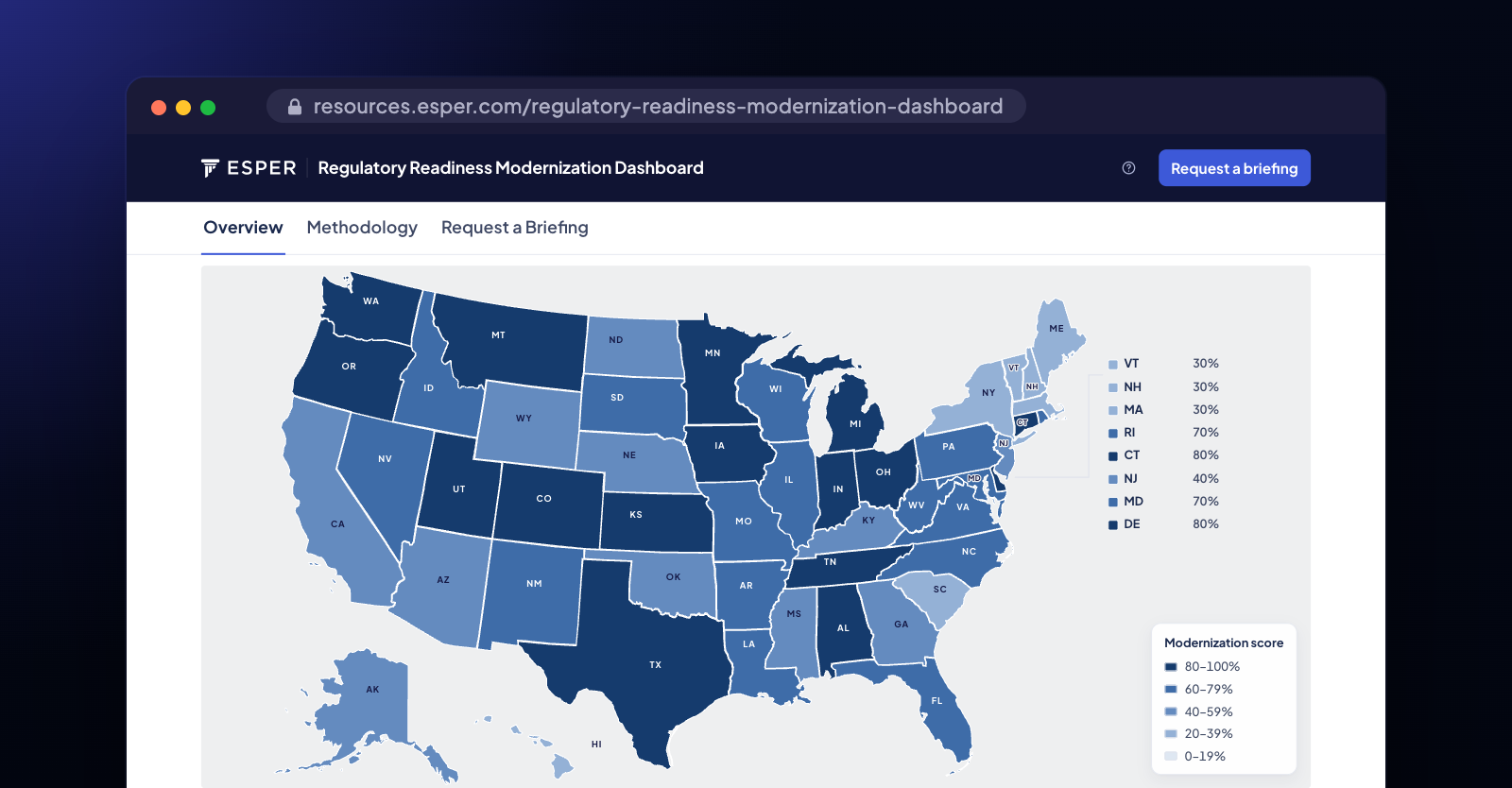
Montana’s agencies were dealing with the same issues: disconnected systems, manual workflows, and no statewide visibility into what was moving or stuck. When the mandate hit, they made a statewide shift to Esper across 13 agencies.
That gave them:
- One home for every rule and policy
- Transparent, trackable workflows
- Automatic audit trails
- Faster regulatory publishing
- ADA-compliant public access
- A system staff can actually use
Alaska is in the same moment Montana was — with the same chance to leap forward.
What Alaska Agencies Can Do Now
Below is the practical playbook Montana used to go from fragmented to coordinated.
1. Centralize Every Rule and Policy
If documents are sitting in Google drive, SharePoint folders, personal desktops, and email threads, you don’t have a system — you have a scavenger hunt.
Centralizing content gives teams:
- One source of truth
- Clear ownership
- Easier onboarding
- No lost documents
Montana started here, and it changed everything else.
2. Standardize Workflows Across the Board
Reform only sticks when processes are consistent. That means:
- Clear owners
- Defined draft-to-publish paths
- Automated reminders
- Visibility into bottlenecks
Without structure, reform goals slip into “we’ll get to it later.”
3. Modernize the Publishing Process
Alaska’s administrative orders emphasize transparency and timeliness. “Modern” publishing means:
- ADA-compliant public sites
- No IT tickets
- Instant updates
- Rules and policies together
Montana accelerated its publishing timelines and reduced errors with Esper.
4. Improve Access for Field and Frontline Staff
Inspectors, field teams, officers, health workers — none of them should spend 20 minutes hunting for a single SOP.
They need:
- Fast search
- Always-current versions
- Mobile access
CalFIRE uses Esper to keep 3,000+ policies accessible for teams operating in high-risk environments.
5. Build an Audit Trail That Protects the Agency
Reform increases scrutiny. Agencies need:
- Version history
- Approval records
- Comment tracking
- Clear documentation for every change
When leadership or the public asks “Who approved this?”, the answer should be immediate.
6. Prepare for the AI Capabilities Coming in 2026
AI-ready policy access is the fastest modernization win. Not generic chatbots — domain-trained search that:
- Answers questions in plain language
- Links directly back to official policy
- Reduces reliance on institutional knowledge
- Shrinks search time dramatically
This is exactly what Smart Search is designed for.
The Bottom Line
Alaska’s reform orders aren’t a single directive. They signal a long-term shift in how agencies will be expected to manage rules, policies, transparency, and public access.
Agencies that act now will:
- Reduce operational risk
- Save staff time
- Improve policy accuracy
- Strengthen public trust
- Avoid last-minute scrambles later
Montana proved it’s possible — and faster than most teams assume.
Esper already provides the statewide infrastructure Alaska needs to move from “we’re trying” to “we’re modern, compliant, and moving with confidence.”
If you want the Montana playbook, we can walk you through exactly how 13 agencies made the shift and what you can do.


.png)

